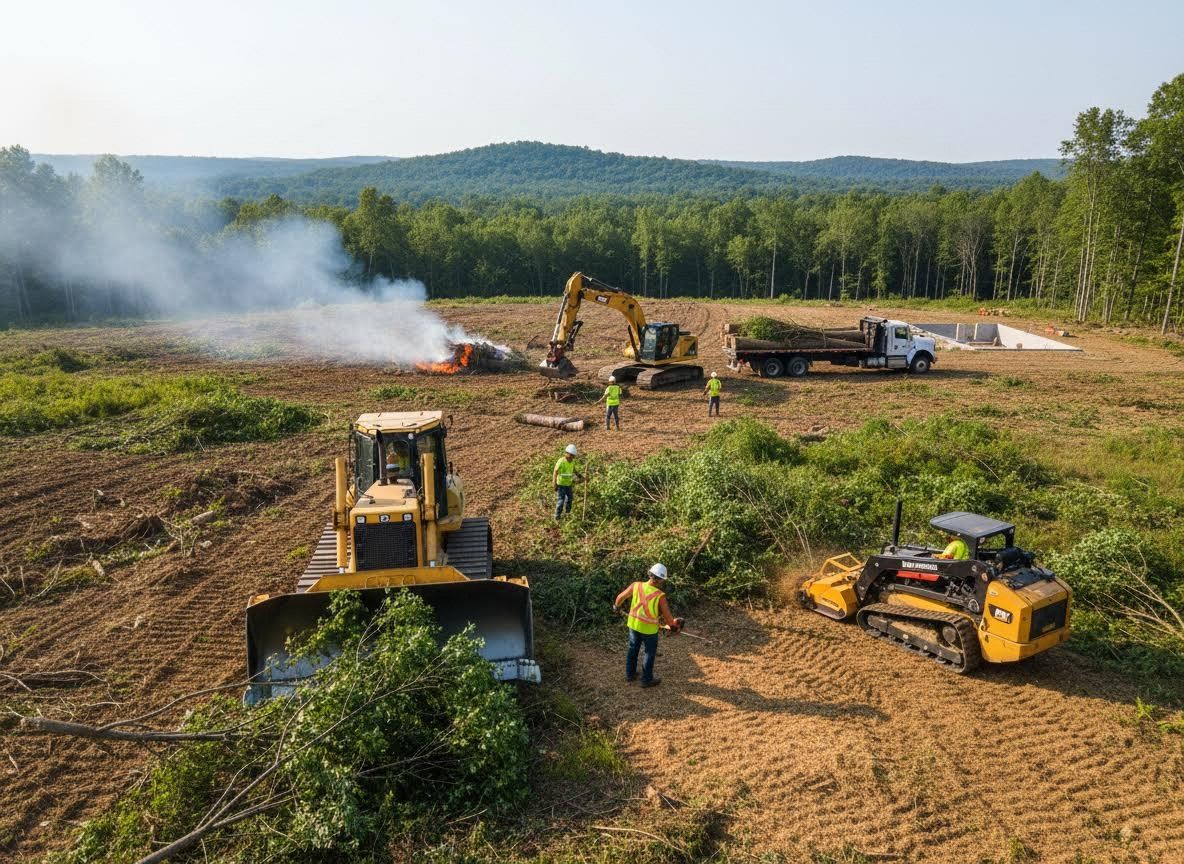
Preparing a piece of land for new development, agriculture, or simply improving its usability often requires land clearing. This process isn't a one-size-fits-all endeavor; various methods exist, each suited to different terrains, vegetation types, and project goals. Understanding these approaches is crucial for anyone planning a significant land transformation, ensuring efficiency and environmental consideration. At Habitat Solutions, we believe that informed decisions lead to successful projects.
Mechanical Land Clearing Techniques
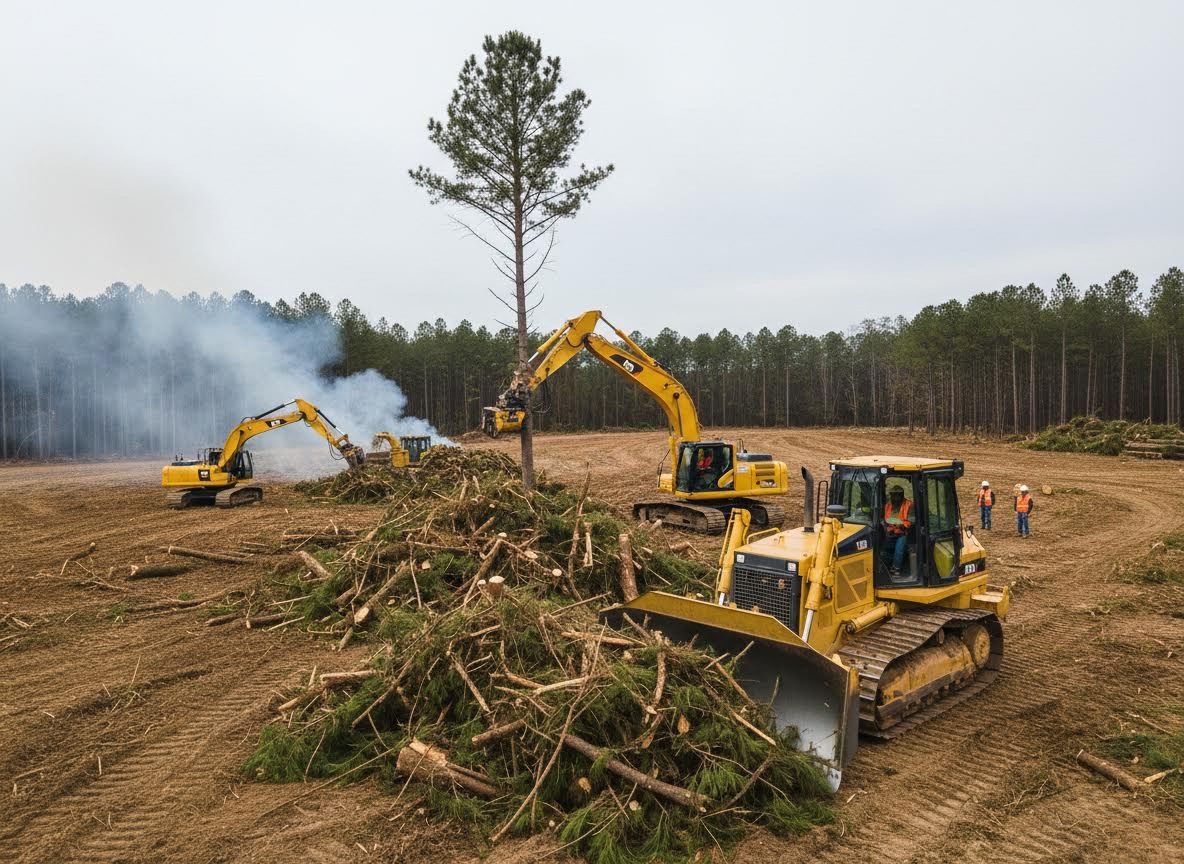
One of the most common categories of land clearing involves heavy machinery. This traditional approach typically utilizes bulldozers, excavators, and feller bunchers to remove trees, brush, and other obstacles. After felling, materials are often piled and either burned (where regulations permit), chipped, or hauled away. While effective for large-scale removal and preparing a completely bare surface, this method can sometimes disturb the topsoil significantly, potentially leading to erosion or requiring additional site preparation steps. It's often chosen for projects requiring a deep and thorough removal of all above-ground vegetation and roots.
The Benefits of Forestry Mulching
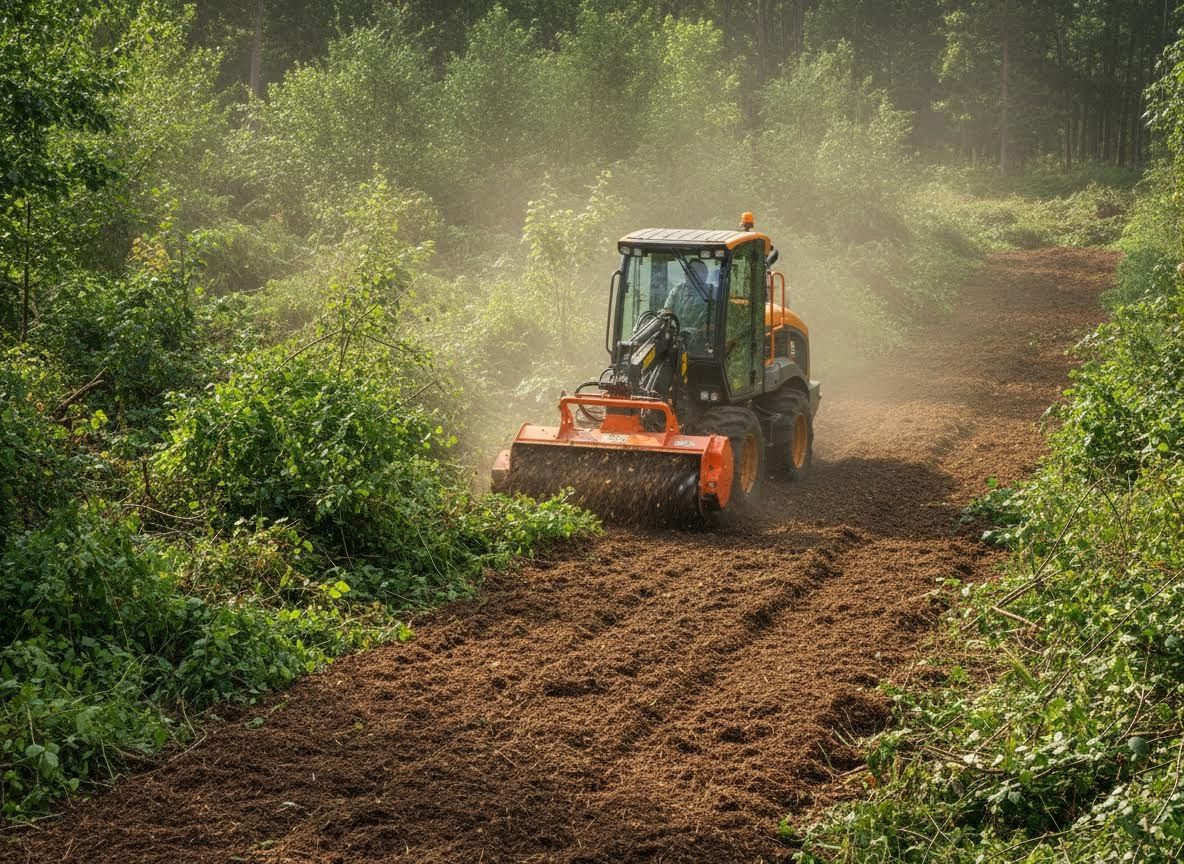
A more environmentally friendly and often more efficient alternative for certain types of vegetation is forestry mulching. This method employs specialized equipment that grinds vegetation into fine mulch directly on-site. Instead of hauling away debris, the organic material is spread across the cleared area. This not only eliminates the need for burning or off-site disposal but also returns valuable nutrients to the soil, helps prevent erosion, and suppresses future weed growth. Forestry mulching is particularly effective for brush removal, clearing overgrown areas, and preparing land where soil disturbance needs to be minimized. It's a key technique for professional land clearing that values sustainability.
Tailoring Methods for Specific Needs: Site and Commercial Clearing
The choice of land clearing method is heavily influenced by the project's specific requirements. For instance, site clearing for a residential property might involve a combination of precise tree removal and forestry mulching to preserve certain landscape elements. In contrast, commercial land clearing projects, such as preparing for a large construction development or a new infrastructure installation, often demand more extensive mechanical methods to create a completely clear and level area quickly. Understanding the end-use of the land dictates whether a full grubbing operation (root removal) is necessary or if surface clearing is sufficient, ensuring the most appropriate and cost-effective approach is taken.
Clearing for Fire Protection and Environmental Management
Beyond development, land clearing plays a critical role in environmental management and safety. Creating defensible spaces around properties, establishing firebreaks, and reducing fuel loads in wildland-urban interface areas are essential for fire protection. Methods like targeted forestry mulching or selective cutting are highly effective for these purposes, as they can reduce hazardous vegetation without completely denuding the landscape, maintaining ecological balance. These strategic clearing efforts are vital for mitigating risks and promoting healthier forest ecosystems, demonstrating that land clearing isn't just about removal, but also about responsible management and safety.
Not Sure Which Land Clearing Method is Right for You?
Choosing the wrong approach to land clearing can lead to unnecessary soil disturbance, costly erosion, and blown budgets. Whether you need the eco-friendly precision of forestry mulching, heavy-duty mechanical clearing for a commercial development, or strategic brush removal for fire protection, you need a team that understands the terrain and the tools.
Let Habitat Solutions assess your property and determine the most efficient, cost-effective, and environmentally responsible method for your specific goals.