Managing overgrown land can be a daunting task, often involving heavy equipment and significant effort to clear brush, trees, and other vegetation. When considering the most efficient and environmentally friendly methods for property cleanup, many landowners wonder if forestry mulching is the ideal solution. At Habitat Solutions, we often help clients navigate these decisions, providing expert guidance on various land management techniques. This article will explore the specifics of forestry mulching to help you determine if it's the right choice for your needs.
What is Forestry Mulching?
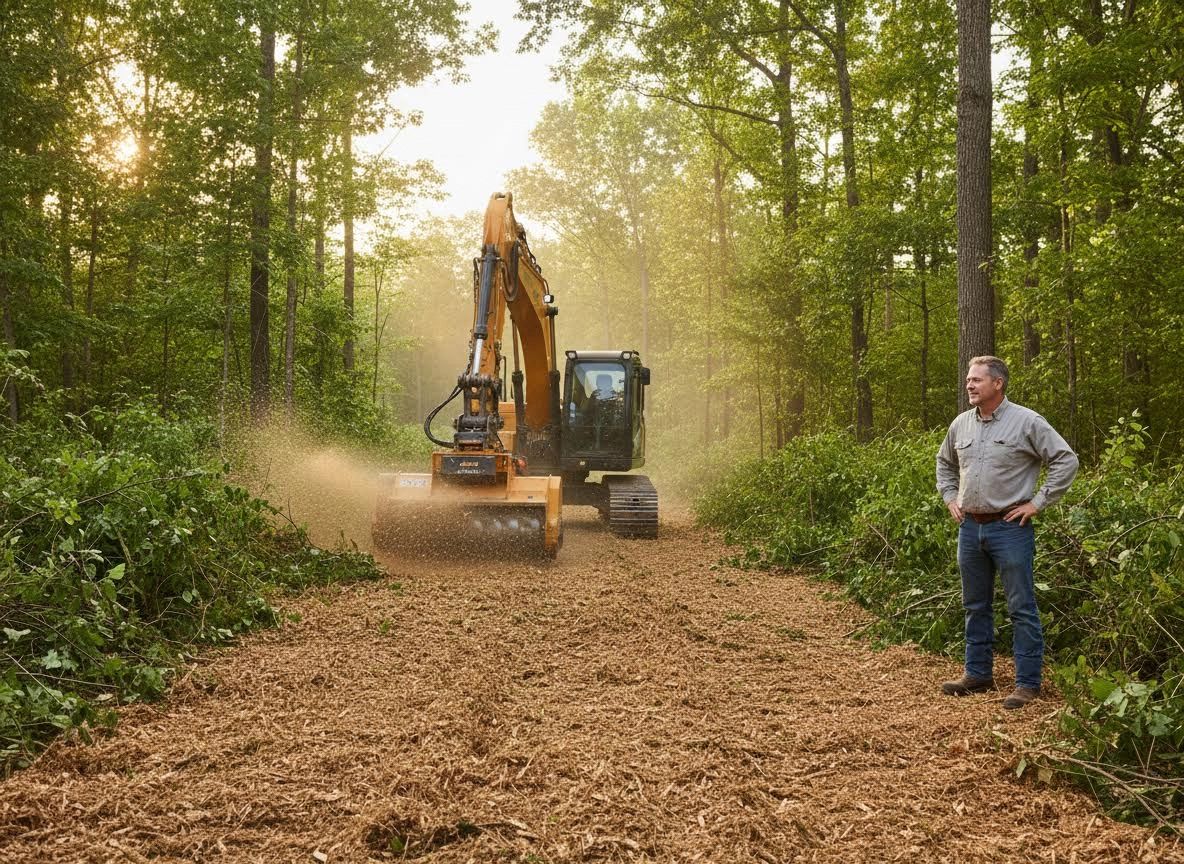
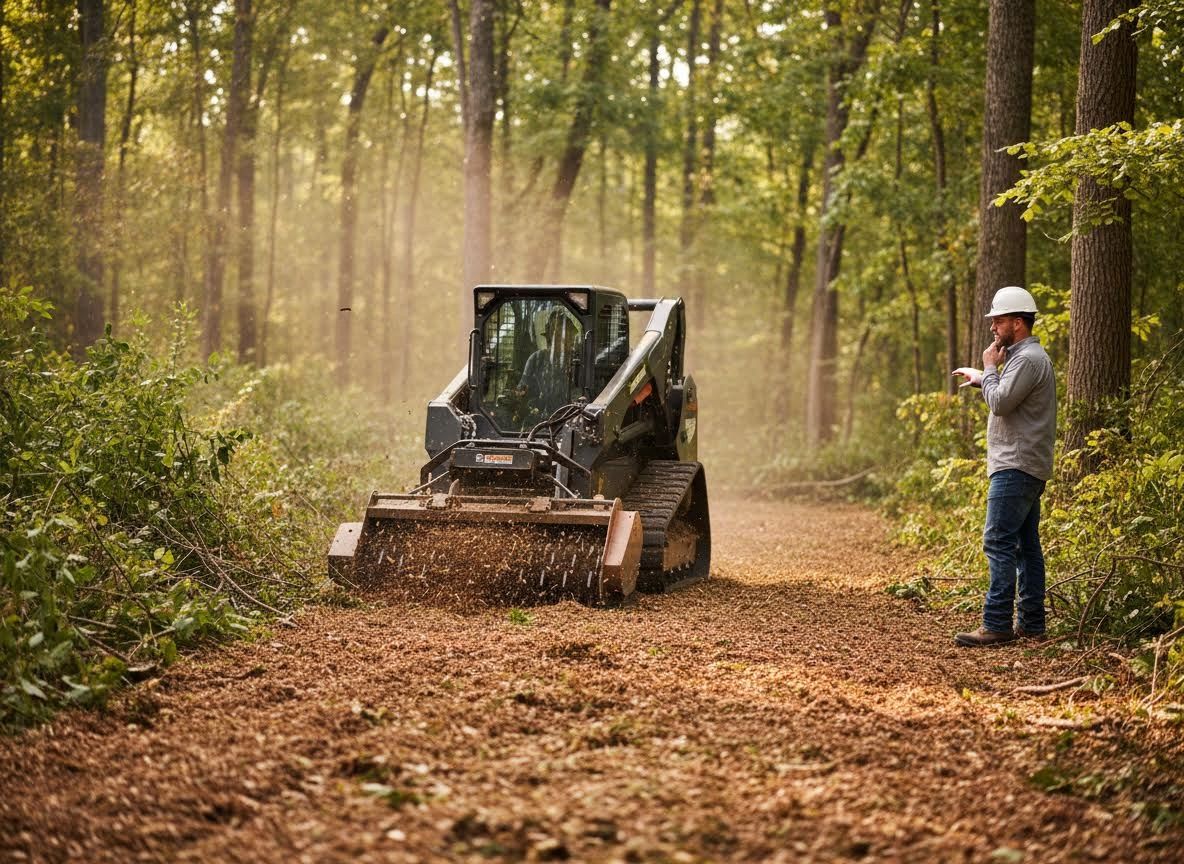
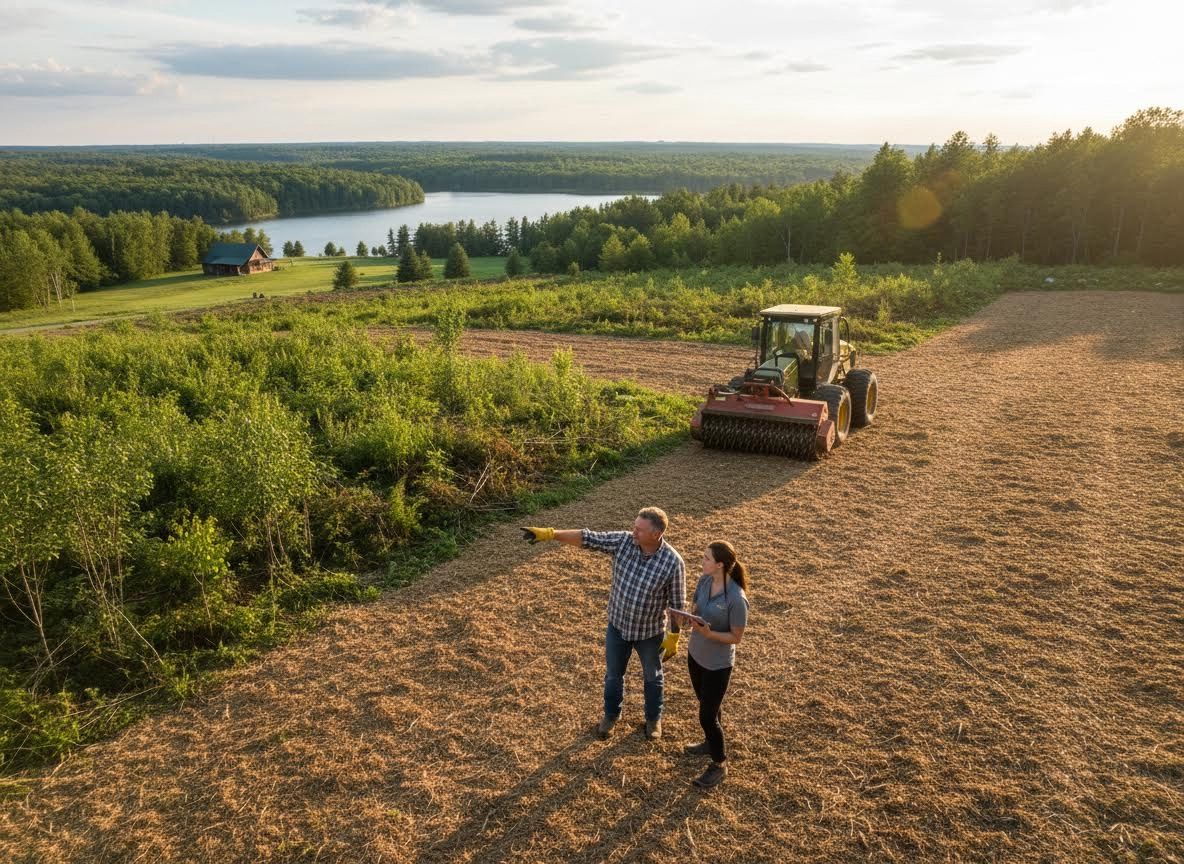
Forestry mulching is a land clearing method that uses a single machine to cut, grind, and clear vegetation. A specialized mulching attachment, often consisting of a rotating drum with steel teeth, is mounted on an excavator or skid steer. This equipment efficiently processes trees, brush, and stumps into a layer of organic mulch that is then spread across the cleared land. Unlike traditional clearing methods that might involve hauling away debris or burning it, forestry mulching leaves the organic material on-site, naturally enriching the soil. This technique is a modern approach to professional land clearing, offering a streamlined process.
Advantages of Choosing Forestry Mulching
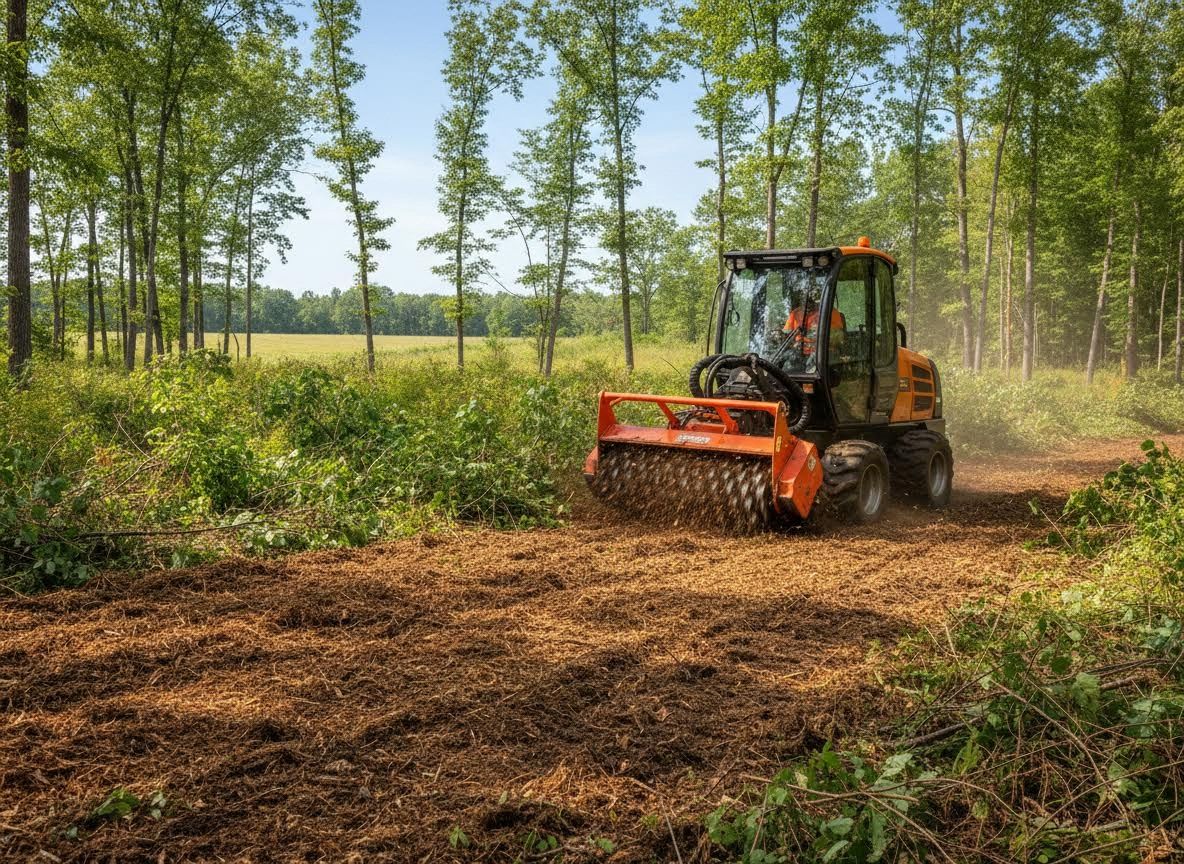
One of the primary benefits of forestry mulching is its efficiency. A single machine can often accomplish what traditionally required multiple pieces of equipment and a larger crew, significantly reducing project time and costs. Environmentally, it's also a superior choice. Returning organic matter to the soil, it prevents erosion, retains moisture, and enhances soil health, which is vital for long-term land stability. The mulched material acts as a natural weed barrier and fertilizer, supporting healthy regrowth while deterring invasive species. Furthermore, it avoids the air pollution associated with burning debris and the logistical challenges of debris removal, making it an excellent method for various site-clearing projects.
When is Forestry Mulching the Best Option?
Forestry mulching excels in a variety of scenarios. It's particularly effective for clearing overgrown properties, reclaiming pastures, or preparing land for development without disturbing the topsoil excessively. For landowners concerned about wildfire risks, it's an invaluable tool for creating defensible space around structures by removing fuel loads and reducing ladder fuels, thereby enhancing fire protection. This method is also highly suitable for commercial land clearing projects, such as preparing utility rights-of-way, creating trails, or managing forest undergrowth. Its ability to work on uneven terrain and minimize ground disturbance makes it a versatile choice for many different types of land management.
Making an Informed Decision for Your Property
While forestry mulching is a powerhouse solution for a wide range of land reclamation projects, the ideal choice ultimately depends on your specific goals for the land. If you want to clear out thick underbrush, improve property aesthetics, establish wildlife food plots, or clear trails without destroying the local topsoil, forestry mulching is almost always the most cost-effective and eco-friendly route.
However, if your immediate next step involves pouring a heavy concrete foundation or excavating deep utility lines that require total root removal (grubbing), a combination of traditional mechanical clearing and mulching might be necessary. Partnering with an experienced local contractor to assess your terrain, budget, and timeline is the best way to ensure you choose the method that sets your project up for absolute success.
Ready to Reclaim Your Overgrown Property?
An overgrown lot doesn't just limit your land's potential—it lowers property value and actively increases wildfire risks. Whether you are a homeowner looking to open up your backyard view, a hunter prepping a food plot, or a developer managing a commercial lot, Habitat Solutions has the specialized machinery and expertise to get the job done right. Let our Fayetteville team handle the heavy lifting and transform your raw land into a clean, usable canvas.